

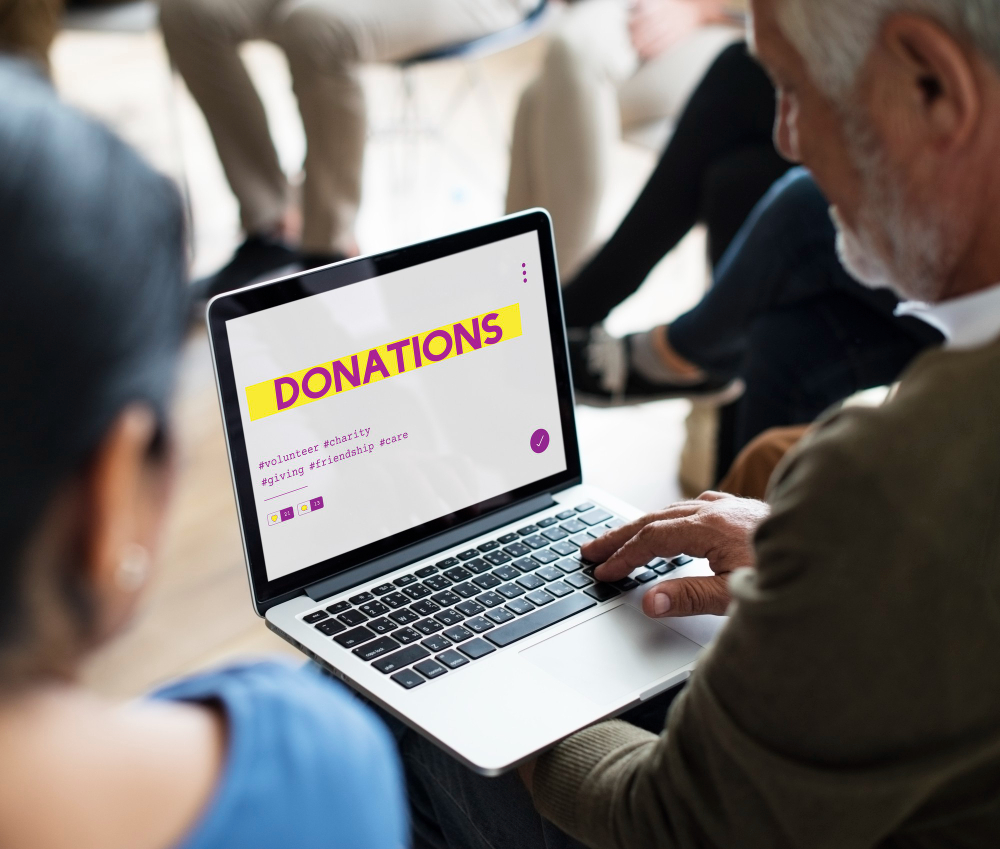

A decade ago, donating often meant writing a check, mailing an envelope, or dropping cash into a collection bucket. Now it’s a few taps on a phone, sometimes while you’re still watching the video that sparked your outrage or heartbreak.
That convenience is doing more than speeding up fundraising. It’s changing how solidarity works: when people give, why they give, and what they expect in return, especially as wars, disasters, and humanitarian emergencies ricochet across social media in real time.
For nonprofits, the shift has turned fundraising into a rapid-response operation. For donors, it’s made generosity more immediate, and, in many cases, more demanding.
A faster kind of solidarity
The biggest change is speed. When a crisis hits, information spreads instantly, news alerts, livestreams, firsthand posts, and graphic images that can make a faraway emergency feel personal.
Online giving is built for that moment. It lets someone convert emotion into action right away: choose an amount, donate from a phone, get a confirmation, and sometimes receive follow-up updates showing where the money went.
That friction-free process matters. It lowers the barrier for people who might never have mailed a check or attended a fundraiser, and it opens the door to smaller gifts that add up when thousands of people respond at once.
How humanitarian groups are using digital tools
Humanitarian organizations sit at the center of this new ecosystem, acting as the bridge between donors and people in danger. The money they raise becomes tangible aid, meals, food packages, clean-water access, medical care, hygiene kits, school supplies, and support for families displaced by conflict or disaster.
Groups such as Human Appeal have leaned into digital platforms to make appeals more visible, explain what’s happening on the ground, and make it easy for supporters to act quickly.
Just as important, online campaigns let organizations tell the story of a crisis with more detail: key numbers, field updates, testimonials, and examples of what donations are funding. For donors, that can make a complex situation easier to understand, and harder to ignore.
One-time gifts vs. monthly giving
Digital donations have also reshaped how people structure their support. A one-time gift can surge in during an emergency. A monthly donation can keep programs running long after the headlines move on.
Those two approaches serve different needs. One-time giving helps meet immediate demand, food, shelter, urgent medical care. Recurring giving gives nonprofits something they rarely have in a crisis-driven world: predictability. It helps them plan longer-term work like rebuilding, ongoing treatment, getting kids back into school, and restoring basic services.
That matters because many emergencies don’t end when public attention fades. The aftermath can last months or years, and the need often grows quieter, not smaller.
Trust is now the main currency
If online giving makes donating easier, it also raises expectations. Many donors want to know exactly who they’re giving to, how funds will be used, and what impact their money will have.
That puts pressure on nonprofits to communicate clearly: spell out their mission, explain each campaign, describe where they operate, and make the donation process transparent and secure.
Today’s donor isn’t just looking to feel moved. They want to feel confident. That demand is pushing the sector to publish clearer reporting, share more proof of impact, and earn trust repeatedly, not just once.
Simple doesn’t mean thoughtless
Online giving doesn’t replace hands-on civic engagement. But it can widen the circle, letting people contribute at their own scale, even with small amounts, and join a larger collective response.
In a world where crises stack up fast, the ability to mobilize quickly can save lives. Digital donations won’t solve humanitarian emergencies on their own, but they give people a straightforward way to do something, rather than scroll past and stay a spectator.


- Planification successorale et optimisation fiscale : les services incontournables pour une gestion de patrimoine efficace à Paris - 9 septembre 2026
- Mutuelle santé : 15 critères pour choisir un contrat adapté à vos besoins - 31 août 2026
- Quels sont les projets de valorisation foncière aux États-Unis avec LandQuire ? - 14 août 2026