

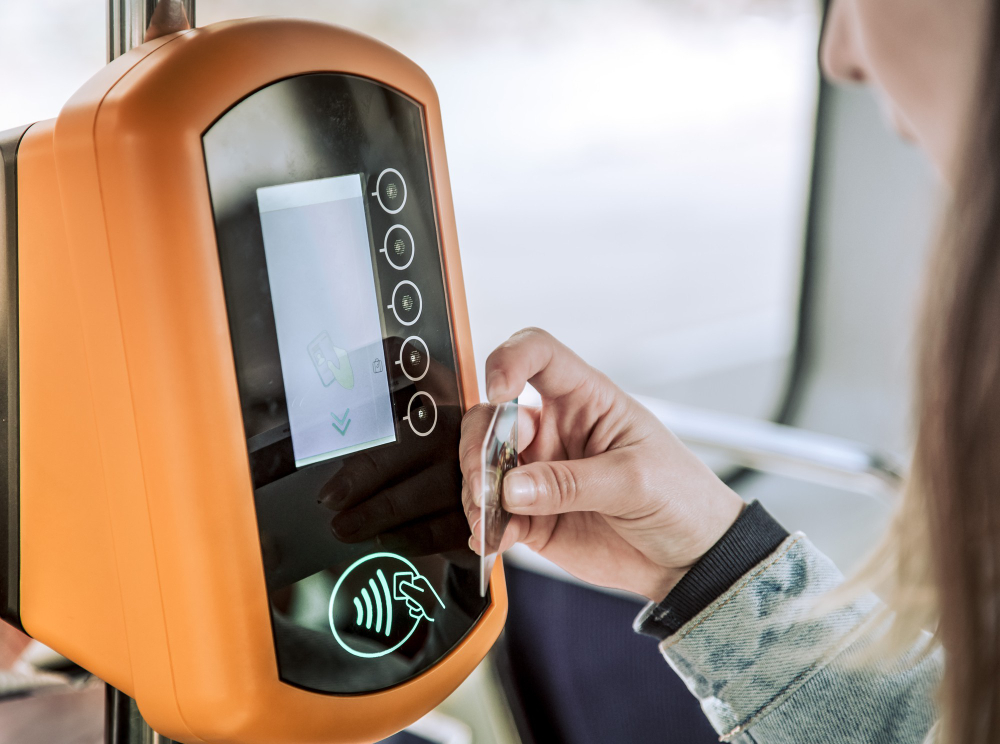

Keys are getting pushed out of the modern workplace, and not just because they’re easy to lose. In 2026, more companies and apartment buildings are moving to electronic badge access systems that can lock down sensitive areas while keeping people flowing through doors, garages, and elevators with less friction.
The pitch is simple: replace metal keys and shared door codes with a system that can instantly grant, or revoke, access for specific people, at specific times, in specific places. From office suites and parking garages to server rooms and data centers, badges are becoming the default tool for controlling who gets in and who doesn’t.
How badge access systems actually work
A badge-based access setup boils down to two parts: a credential (a physical badge or a digital one on a phone) and a reader mounted at a door or gate. When someone presents their badge, the system checks whether that person is authorized to enter that protected area.
Unlike a traditional key that mechanically turns a lock, a badge communicates electronically, typically via a radio signal or a unique code. That automated ID check makes it easier to manage access centrally, especially for large employers with lots of doors, lots of employees, and frequent staffing changes.
RFID: the workhorse technology behind most badges
The most common technology in access badges is RFID, short for Radio Frequency Identification. Each badge contains a small chip and antenna that transmits information to a reader using radio waves when it gets close.
Because RFID works without direct contact, it’s fast and reduces wear on hardware. It’s also flexible: the same system can show up in corporate offices, apartment buildings, and shared facilities, with credentials issued as plastic cards or key fobs.
NFC and MIFARE: what’s different, and why it matters
NFC (Near Field Communication) is closely related to RFID, but it typically supports two-way communication and is often deployed with stronger security features. For Americans, the easiest comparison is Apple Pay or tap-to-pay: many smartphones already have NFC built in, which means your phone can double as a digital badge.
MIFARE isn’t a separate technology so much as a widely used family of RFID/NFC chips. It’s popular because it can support different levels of encryption, letting organizations fine-tune access permissions, who can enter which doors, and when, without making the system painful to use.
Where badges are being deployed: offices, apartments, garages, and server rooms
Offices and employers.Badge readers placed at key entry points help ensure only authorized employees can access sensitive areas, think executive floors, R&D labs, HR file rooms, or inventory cages. Admins can change permissions quickly without collecting keys or rekeying locks.
Many systems also create an audit trail, records of when a badge was used and where. That kind of traceability can be crucial during incident reviews and for industries with strict compliance requirements.
Apartments, parking garages, and shared buildings.In multi-unit buildings, badges can simplify daily access while reducing the risk of unauthorized entry. Residents can be assigned customized permissions for places like underground garages, bike rooms, and amenity spaces. If a badge is lost, managers can deactivate it, no need to replace locks across the property.
Server rooms and data centers.For IT environments, badge access is often paired with tighter rules: limited staff, time-based permissions, and role-based access. The goal is to protect high-value equipment and reduce both mistakes and insider threats.
Why badges beat keys and keypad codes
Badge systems are built for flexibility, something keys and keypad “digicodes” (common in Europe, similar to a shared PIN pad at a door) struggle to match. Access can be updated instantly and remotely: activate a new credential, disable a lost one, or adjust permissions without touching the hardware.
Organizations adopting badges point to four big advantages:
- Stronger security:fewer problems with copied keys or lost keys that force expensive lock changes.
- Audit trails:each use can generate a log that helps with investigations and compliance.
- Simpler logistics:less juggling of multiple keys or memorizing shared codes.
- More control:access can vary by person, role, schedule, or location, far beyond what a mechanical key can do.
Keypad codes, by contrast, are easy to share and hard to track. Even multi-zone keypads often can’t match the “dynamic” control that electronic credentials provide.
How to choose the right badge system
The first step is sizing up the environment: how many users need access, how often doors are used, which areas are truly sensitive, and how much the system needs to scale over time. Getting that wrong can lead to expensive retrofits and frustrated users.
Compatibility matters, too. Many organizations want access control to work alongside alarms, security cameras, HR systems, visitor management kiosks, and building entry systems. An open architecture can make upgrades and maintenance less painful down the road.
Then there’s the credential decision: physical badges are durable and easy to issue to contractors or temporary staff, while mobile credentials can reduce “I forgot my badge” headaches, assuming employees are comfortable using their phones for access.
FAQ: RFID vs. NFC, lost badges, and multi-use credentials
RFID vs. NFC, what’s the difference?RFID is typically a fast, one-way read used across many physical formats. NFC works at very short range and supports two-way communication, which often enables stronger security and phone-based credentials.
What happens if someone loses a badge?Admins can disable it immediately in the access management platform and issue a replacement, no rekeying, no swapping locks, and no mass credential resets.
What areas can be protected?Almost anything: office suites, lobbies, elevators, stairwells, archives, labs, IT rooms, warehouses, and industrial zones, anywhere you need to filter access to authorized users.
Can one badge do more than open doors?Yes. Some organizations issue multi-function badges that combine door access with employee ID and even cashless payments for cafeterias or vending, depending on the chip and software in use.

- Planification successorale et optimisation fiscale : les services incontournables pour une gestion de patrimoine efficace à Paris - 9 septembre 2026
- Mutuelle santé : 15 critères pour choisir un contrat adapté à vos besoins - 31 août 2026
- Quels sont les projets de valorisation foncière aux États-Unis avec LandQuire ? - 14 août 2026